
Understanding Packaging Tape for Everyday Business Use
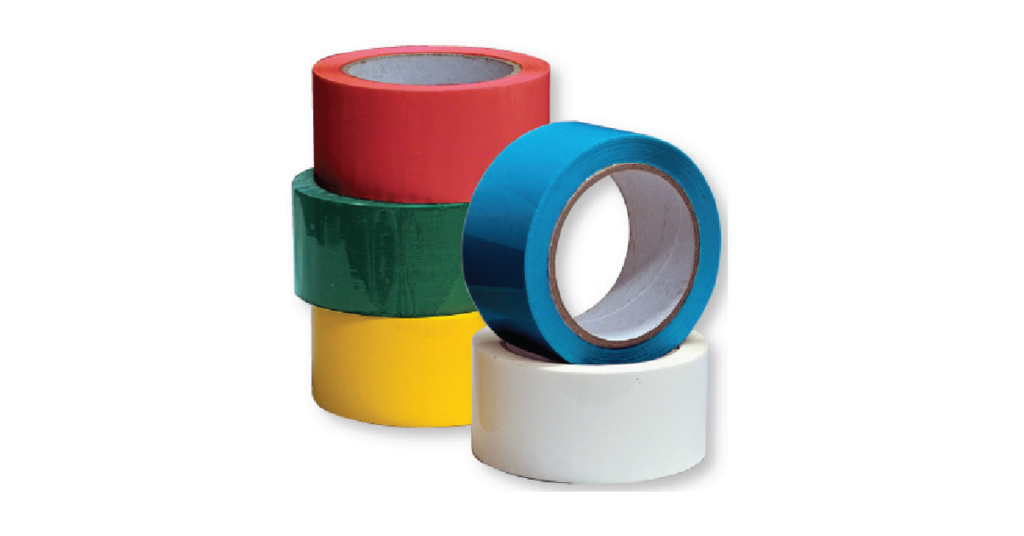
Packaging tape is used to seal cartons, boxes, and packages securely during storage or shipping to prevent opening or damage.
BOPP clear tape (Biaxially Oriented Polypropylene tape) is a strong, transparent packaging tape used for sealing cartons. It is widely used in shipping and logistics because of its high strength and durability.
Common types include BOPP tape, brown tape, printed tape, masking tape, duct tape, filament tape, and double-sided tape.
BOPP tape is the most commonly used and best option for carton sealing due to its strong adhesion, cost-effectiveness, and durability.
Brown tape is opaque and commonly used for heavy-duty cartons, while clear tape is transparent and often used where product visibility or clean appearance is needed.
Packaging tape strength depends on thickness (micron level). Higher micron tape provides stronger adhesion and is suitable for heavy boxes.
Micron refers to the thickness of the tape. Higher microns mean stronger and more durable tape for heavy packaging.
Yes, but for heavy boxes you should use high-micron BOPP tape or reinforced filament tape for better security.
Most BOPP tapes are moisture-resistant and can handle normal shipping conditions, but they are not fully waterproof for long water exposure.
Mainly two types: acrylic adhesive (long-lasting, weather resistant) and hot melt adhesive (strong initial grip, widely used in packaging).
Printed tape is used for branding, security sealing, and marketing. Companies print logos, warnings, or brand names on the tape.
The most common size is 2-inch (48mm) width, widely used for carton sealing in logistics and warehouses.
Not exactly, but adhesive quality can reduce over time if stored in heat, humidity, or direct sunlight.
OPP and BOPP are often used interchangeably, but BOPP is a stronger, oriented version used for industrial packaging.
It may not stick due to dust, moisture, low-quality adhesive, or low-temperature conditions.